Overview of the Impact Monitor 2 Academy
The Impact Monitor 2 Academy serves as a vital bridge between high-level research outcomes and the broader educational community. Designed to foster innovation and collaboration, the Academy provides a platform for academic talent to contribute directly to cutting-edge project activities.
Building on the legacy of Impact Monitor 2 Academy
The launch of the new Academy phase is grounded in the achievements of its predecessor’s (Impact Monitor) Academy. This initial phase was successfully concluded, marked by the participation of three outstanding Master’s students.
Their remarkable work set a high standard for collaboration, demonstrating the tangible value students bring to the project. The success of these early adopters has paved the way for the expansion of the initiative, proving that student integration leads to meaningful project advancements.

The Next Chapter: Impact Monitor 2 Academy
Building on this solid foundation, the Impact Monitor 2 Academy is designed to further strengthen the connection between the project’s technical outcomes and the academic world.
Core Objectives & Student Activities
The primary goal of the Academy is to offer Master’s students the opportunity to contribute directly to Impact Monitor 2 activities under the expert guidance of project partners. The technical focus includes:
- Impact Assessment: Students will assess the multidimensional impacts of aviation technologies and operational solutions.
- Workflow Integration: Simulation and assessment models will be integrated into a unified workflow within the project’s Digital Collaborative Framework.
- Open-Source Release: The resulting workflows are planned to be made available as open-source tools for the wider research community.
Timeline and Structure
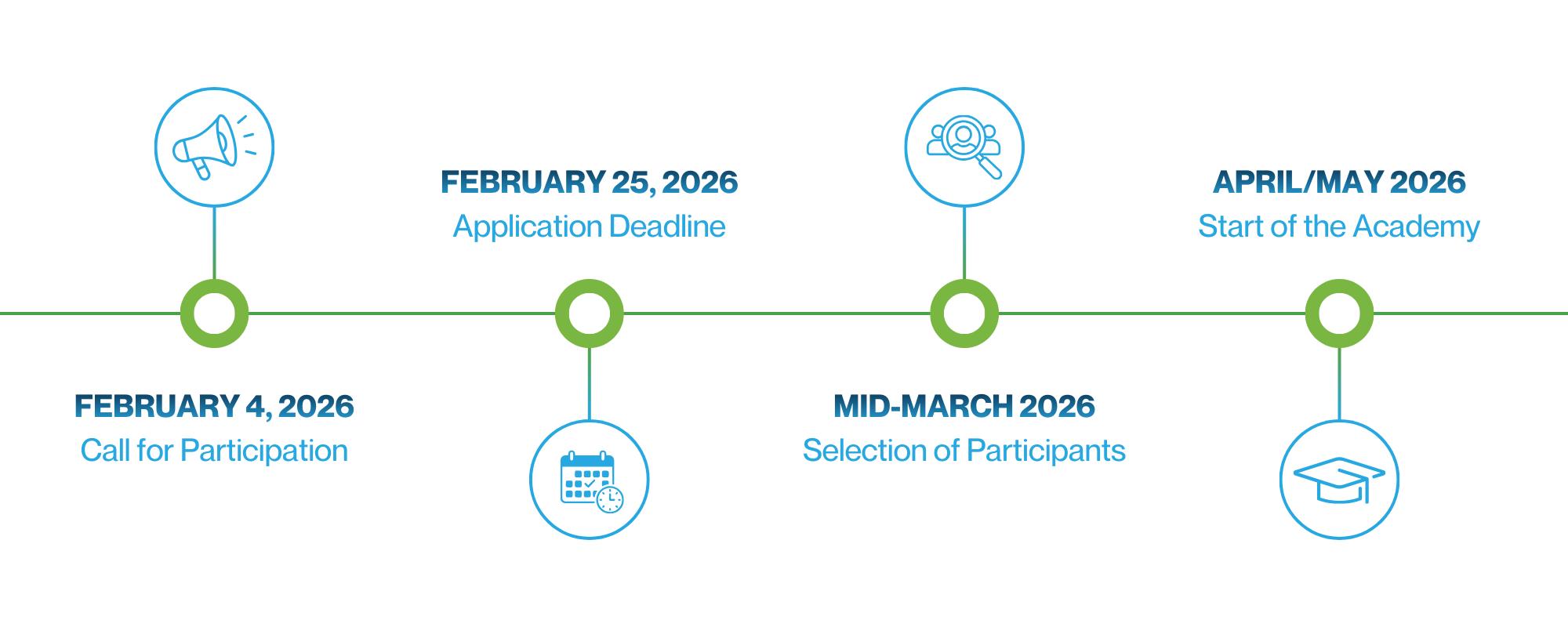
- Launch Date: The first Academy round is formally scheduled to initiate in early 2026.
- Duration: The expected period of involvement in the Academy may vary from 4 to 9 months, depending on the participants' availability and the assigned tasks duration.
- Flexibility: Multiple Academy rounds may be implemented throughout the remaining lifetime of the project, contingent upon student interest and availability.
Visibility and Dissemination
To ensure the widest possible uptake and recognition of the students' contributions, the Academy prioritizes high-level visibility. Depending on resources and timelines, student work will be showcased via the prestigious EASN Conference series, and/or dedicated technical webinars.
Requirements
- Enrolled in Master’s studies (exceptional undergraduate candidates may be considered based on motivation and qualifications)
- Affiliated with a European university for the entire period
- Broad knowledge of aeronautics and interest in the research project
- Solid programming skills and motivation to learn new software tools
- Well-organized and reliable teamwork as well as independent work
- Fluent language skills in English
- Mobility within Europe may be required, in order to join one of the project partners
Benefits
- Alignment of the specific topic with the degree course requirements
- Obtaining holistic insights beyond the model domain
- Collaboration and exchange with a highly qualified project team
- Guidance and support from a highly motivated project partner
- Participation and presentation at international scientific conferences and events
- Expansion of professional network