Impact Monitor 2 Team Converges at UPC for Technical Workshop
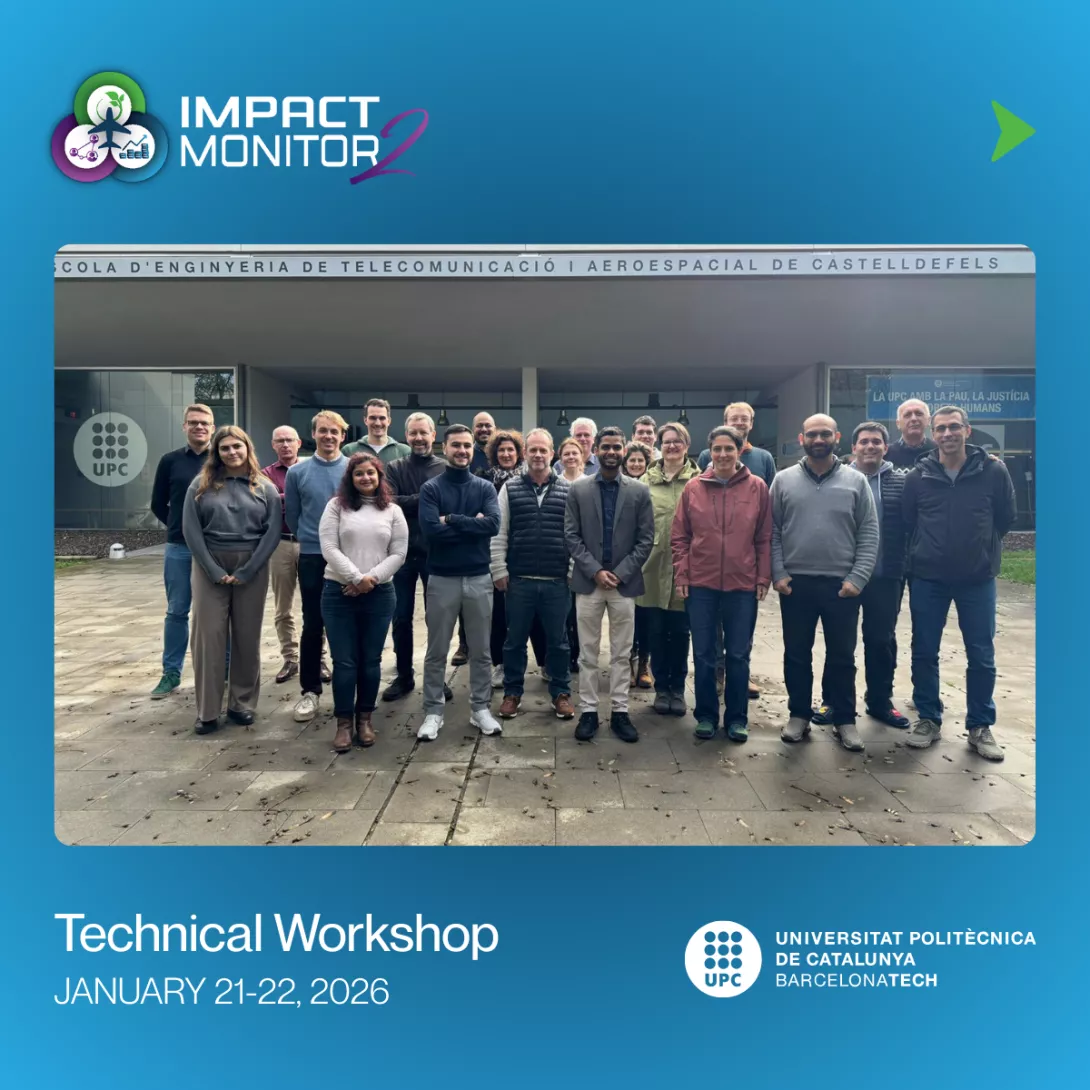
Castelldefels, Spain | January 21-22, 2026
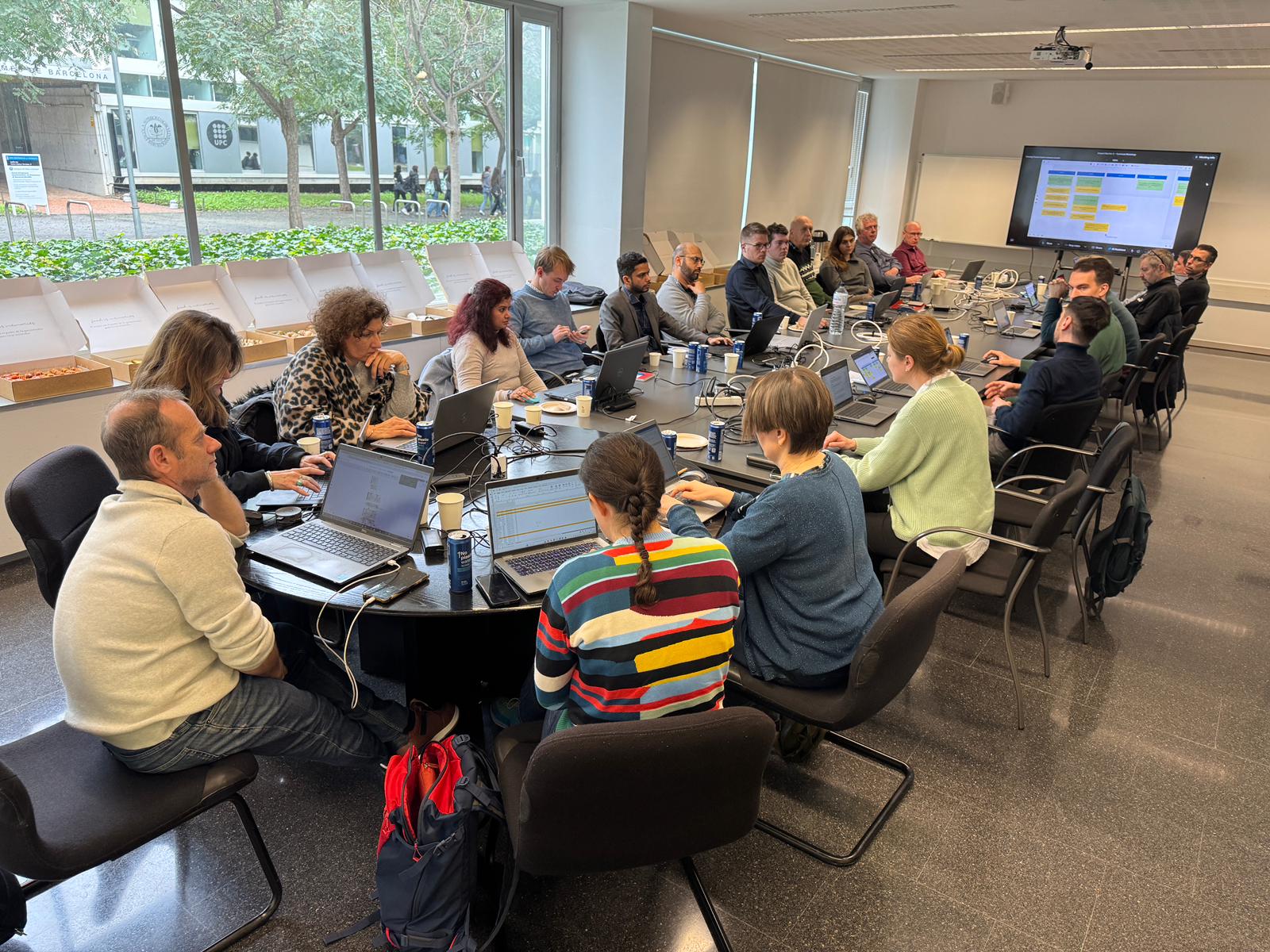
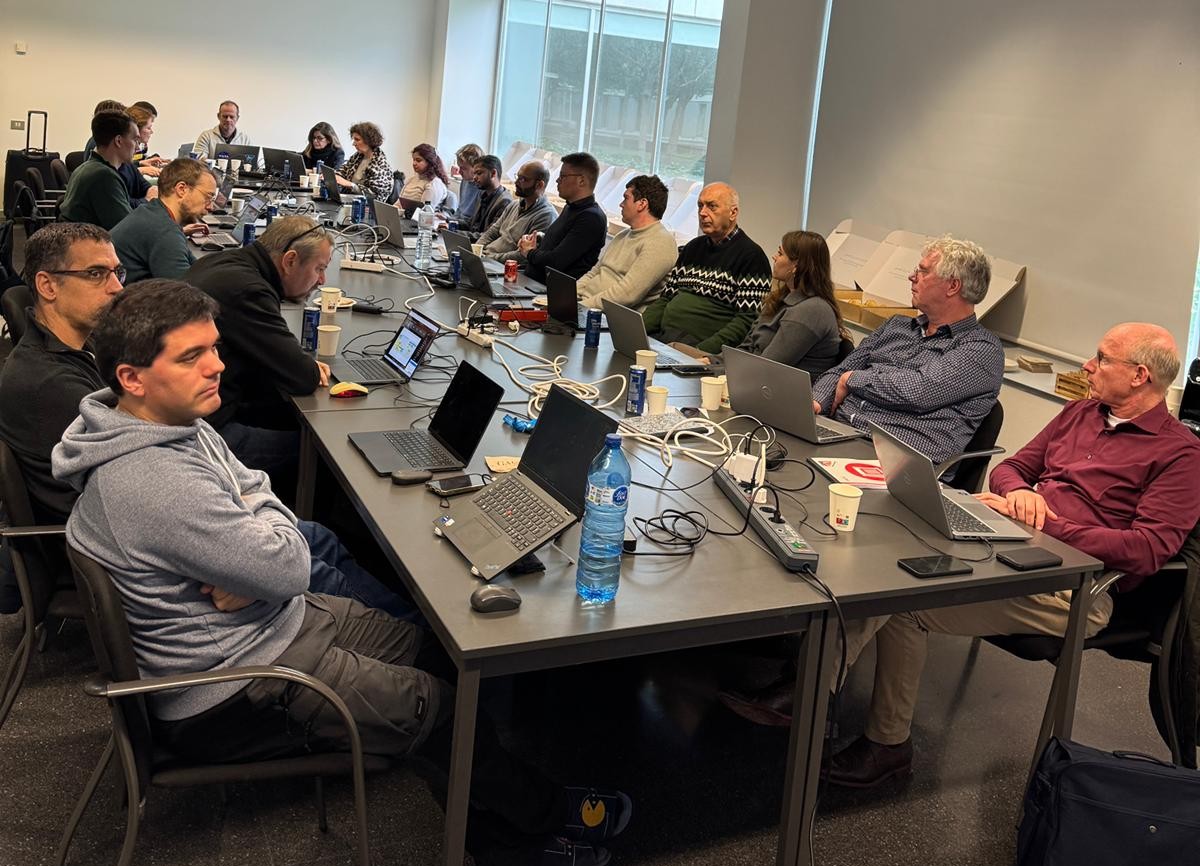
The Impact Monitor 2 (IM2) project successfully concluded a two-day technical workshop hosted by the Universitat Politècnica de Catalunya (UPC). This gathering marked a critical pivot point for the project, shifting focus from high-level framework development and study specification to practical, study-level setup and implementation.
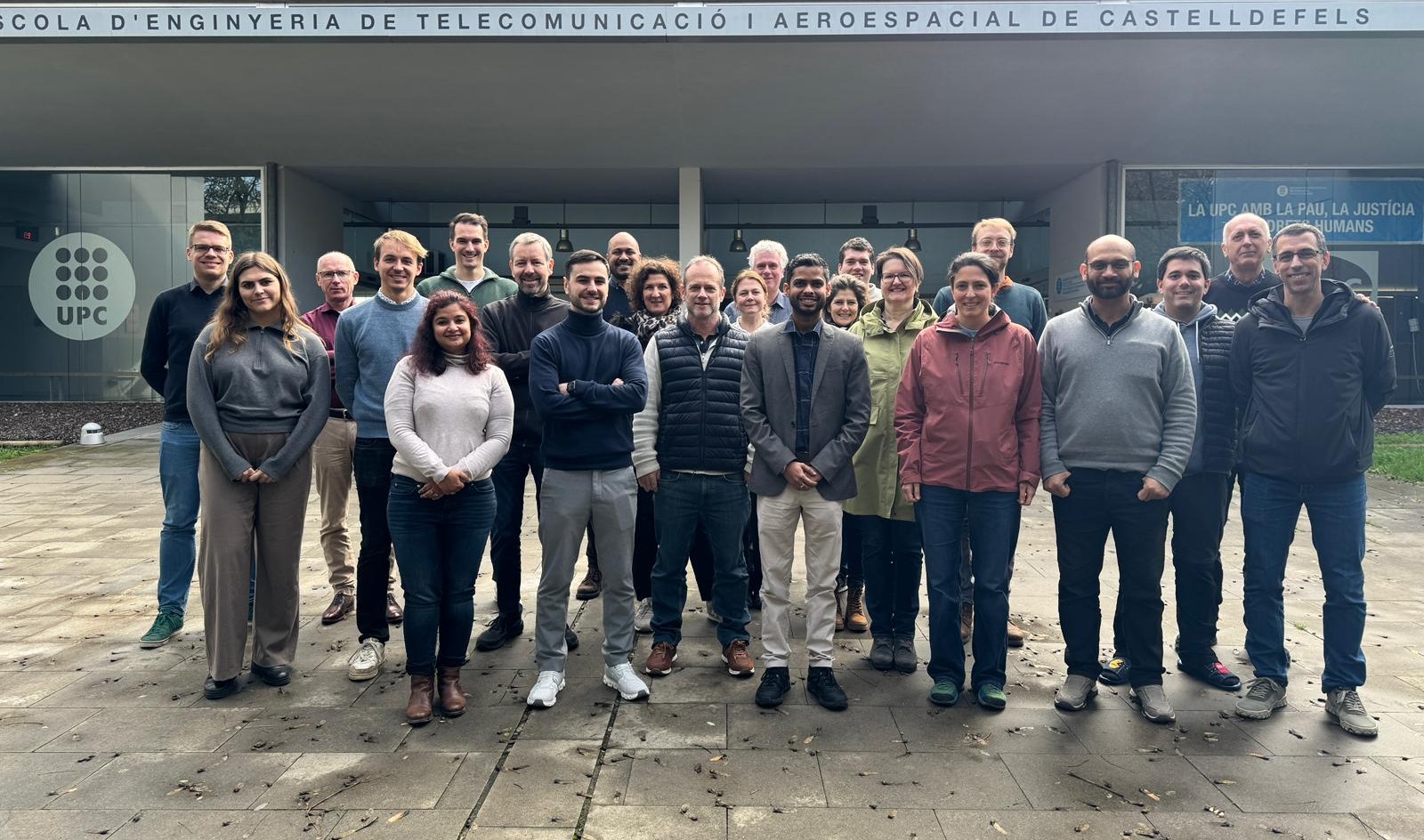
Bridging Methodology and Application
The workshop brought together experts from two pivotal Work Packages:
- WP3: Framework developers and assessment methodology experts.
- WP4: Study leaders, integrators, and modellers.
This collaboration ensured that the theoretical frameworks designed to assess aviation R&I impact are perfectly aligned with the technical realities of multilevel system modelling.
Key Technical Outcomes
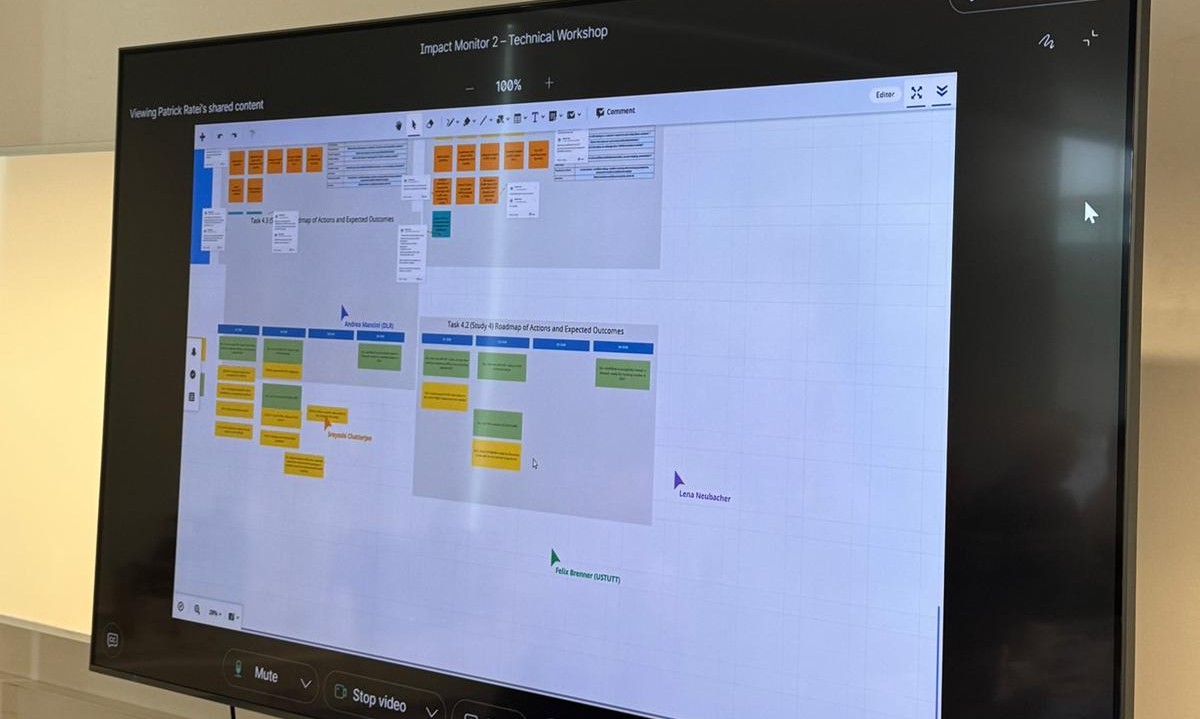
The sessions were characterized by hands-on collaboration, supported by an interactive whiteboard to map complex workflows and study concepts. Highlights included:
- Impact Assessment Studies: The identification and setup of four distinct study topics addressing technological and operational innovations and their impacts at both airport and air transport system levels.
- Model Integration: Participants engaged in methodological refinements of collaborative multi-disciplinary workflows and real-time workflow execution, ensuring that various models integrate seamlessly within the IM2 framework.
- Advanced Approaches: A focus on refining assessment methodologies, specifically regarding uncertainty quantification and multi-fidelity modelling to ensure robust data outputs for decision-making support.
- KPI Visualization: Collaborative brainstorming sessions dedicated to the development of an intuitive dashboard, ensuring that assessment outputs are accessible and actionable for stakeholders.
Looking Ahead
The success of this workshop reinforces the IM2 commitment to providing transparent, high-fidelity assessments for European aviation R&I. The project team extends its sincere gratitude to UPC and Jordi Pons-Prats for their hospitality and technical support.